The question of whether schema markup matters for AEO is one of the most common technical questions leadership teams ask once the program is underway, and it is one of the questions where the answer is more nuanced than the loudest commentary on either side would suggest. The advocates of schema describe it as the foundation that makes everything else work, with the missing markup being the gap that explains the picture the team is unhappy with. The skeptics describe schema as a relic of the structured data era of the search engines that the assistants have moved past, with the work being a waste of capacity that could be spent on the content that actually matters. The leadership team that hears both versions wants the honest picture, since the picture shapes the budget and the operating model the team is going to fund.
The honest answer, after two years of watching the assistant channels mature and watching the technical patterns that have produced durable citation patterns, is that schema markup matters and matters in ways that are more specific than the loudest version of the advocacy suggests. Schema is not the whole of AEO and is one of the foundational technical signals that supports the assistant's parsing, the search engine answer formats that still matter, and the structured representation that the company's content needs in order to be drawn on cleanly. The leadership team that funds the schema work at the appropriate level and the team that implements it well together produce the technical foundation that the rest of the program builds on.
This piece walks through whether schema markup is needed for AEO in 2026, including what schema actually is, how the assistants use structured data, the categories of schema that matter most for the AEO program, the specific implementation moves the team should be making, the cases where schema matters more and the cases where it matters less, the common mistakes to avoid, and how the leadership team should think about funding and prioritizing the work.
What Schema Markup Actually Is
The first useful step is to be precise about what schema markup actually is, since the term has been used loosely enough that the leadership team can be talking past each other about the work the team is being asked to fund.
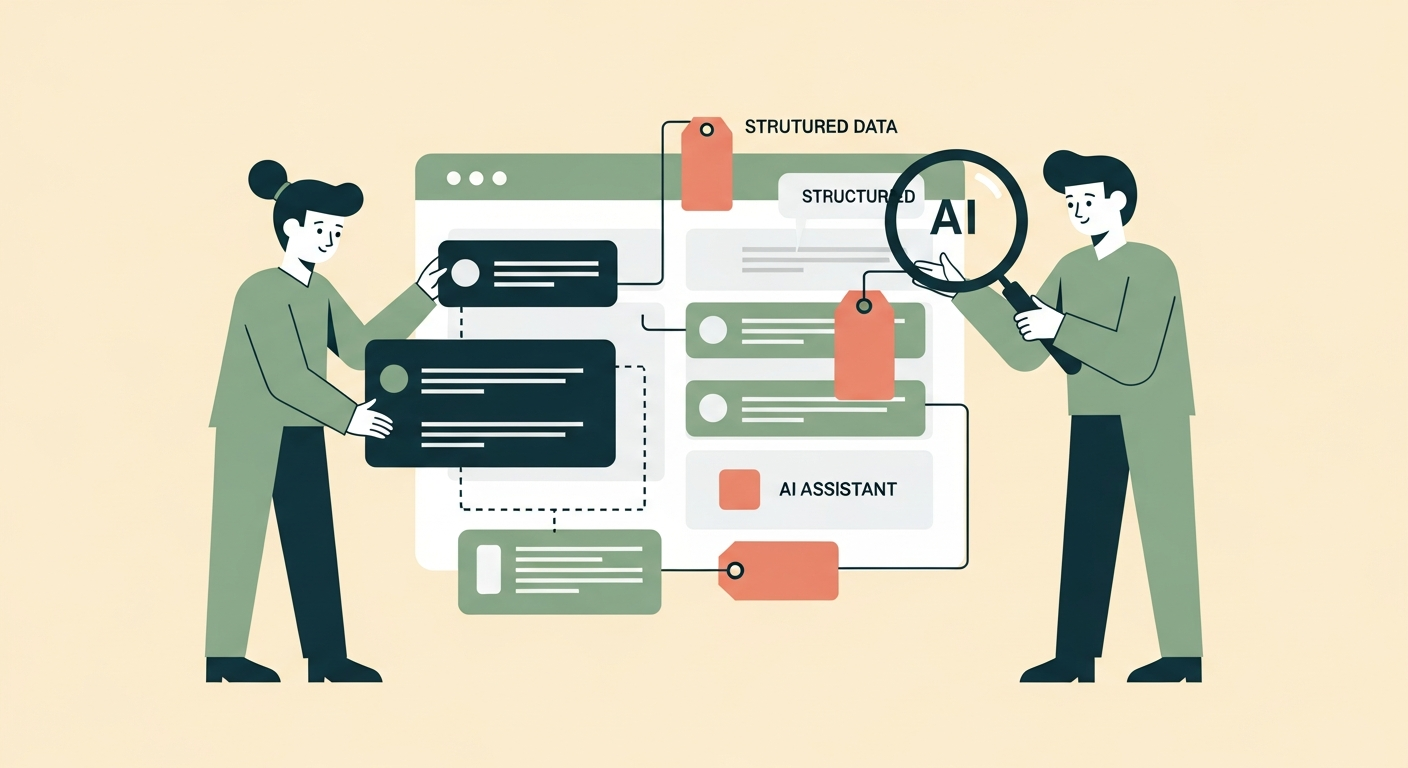
Schema markup is the practice of adding structured metadata to the pages of a site that describes what the content is in a format machines can parse. The metadata is typically expressed in the JSON LD format that the major search engines and the broader ecosystem standardized on, with the markup embedded in the page and the structured representation describing the organization, the products, the services, the people, the locations, the articles, the question and answer material, the events, the reviews, and the other entities the page is about.
The vocabulary the schema typically uses is the Schema vocabulary that was developed jointly by the major search engines years ago and has been extended by the broader ecosystem to cover the wider range of entity types. The vocabulary is the agreed upon way to describe the entities, with the consistent representation across the sites allowing the machines to read the structured material confidently. The vocabulary is the foundation that the rest of the schema work builds on.
The implementation is the technical work of generating the structured metadata for each page on the site, with the work being either embedded in the templates that produce the pages or handled by the tooling the site is built on. The implementation is typically a partnership of the technical SEO function and the engineering function, with the editorial function contributing the content the metadata is describing.
Schema markup is the technical foundation that makes the content the company is publishing readable by the assistants and the search engines in a structured way, and the distinction between the readable and the structured representation matters for the picture the company is producing.
How the Assistants Actually Use Structured Data
The second useful step is to understand how the assistants actually use structured data, since the picture clarifies which schema work matters and which work the team can deprioritize.
The assistants do not parse the schema markup directly the way the search engines historically have. The assistants generally read the rendered content of the page through the retrieval step rather than the structured metadata in the page source, with the answer formation drawing on the prose and the visible structure rather than on the JSON LD blocks. The picture is that the schema markup is not the primary input to the assistant's understanding of the content.
The assistants do however benefit from the structured data in several indirect ways that matter for the citation pattern the program is producing.
The first indirect way is that the search engines the assistants retrieve through continue to use the structured data heavily, with the schema markup influencing the search rankings, the answer formats, and the rich result presentations the search engines produce. The retrievals the assistants do through the search engines return the better results when the structured data has supported the search engine's understanding, with the better retrieval producing the better citation pattern.
The second indirect way is that the structured data influences the broader ecosystem the assistants are drawing on. The knowledge graph entries, the structured information sources, the analyst databases, and the broader picture of the canonical representation of the company all draw on the structured data the company publishes, with the consistency of the picture being the signal that the assistants weight.
The third indirect way is that the structured representation discipline the schema work requires forces the editorial and content discipline the assistants reward. The site that has implemented the schema markup well typically has the canonical representations of the company, the products, the services, and the other entities that the assistants are drawing on, with the discipline producing the picture the assistants weight even when the schema itself is not directly parsed.
The fourth indirect way is that the assistant capabilities are continuing to evolve and the schema markup is the foundation that supports the future picture as the capabilities mature. The agents that are now appearing in the assistant ecosystem are reading the structured data more directly than the conversational assistants do, with the schema markup being the foundation that supports the agent integration as it continues to grow.
The picture is that the schema markup matters less directly than it does for the search engines and matters meaningfully in the broader ecosystem the assistants are drawing on, and the leadership team that understands the indirect picture is positioned to fund the work at the appropriate level.
The Categories of Schema That Matter Most for AEO
The schema work the AEO program should prioritize covers a recognizable set of categories that produce the highest leverage for the program, with the broader categories being useful where they apply and not being the priority.
The first category is the organization schema that describes the company itself. The structured representation of the legal name, the brand name, the description, the founding date, the location, the people, the social profiles, and the canonical sources of truth about the company is the foundation that supports the assistant's understanding of what the company is. The organization schema is the schema the company should implement first and maintain rigorously.
The second category is the product and service schema that describes the company's offering. The structured representation of the products, the services, the features, the pricing where the company shares it, the audience the offering is for, and the relationships among the offerings is the material the assistants draw on for the questions about what the company offers. The product and service schema is the layer that supports the citation pattern for the offering questions.
The third category is the people schema that describes the leadership, the team, and the broader picture of who is at the company. The structured representation of the people, the roles, the relationships, the credentials, and the broader picture is the material that supports the assistant's understanding of the company as an organization with the people behind it. The people schema is the layer that supports the citation pattern for the people and leadership questions.
The fourth category is the location schema that describes where the company operates. The structured representation of the locations, the addresses, the contact information, the service areas, and the broader picture is the material that supports the local and geographic questions the assistants are answering. The location schema is particularly important for the businesses where geography matters and is useful even for the businesses where it does not.
The fifth category is the article schema that describes the content the company is publishing. The structured representation of the articles, the authors, the publication dates, the topics, the relationships among the articles, and the broader picture is the material that supports the assistant's understanding of the body of work the company is producing. The article schema is the layer that supports the citation pattern for the perspective and analysis content.
The sixth category is the question and answer schema that describes the Q and A material the program is producing. The structured representation of the questions, the answers, and the relationships between them is the material that supports the search engine answer formats and signals to the assistants that the content is structured Q and A material. The Q and A schema is the layer that supports the citation pattern for the question style answers.
The seventh category is the review and rating schema where the company can credibly publish it. The structured representation of the reviews, the ratings, and the broader feedback picture is the material that supports the buyer journey answers the assistants are producing. The review schema is the layer that supports the citation pattern for the evaluation questions.
The categories together produce the structured foundation the AEO program needs, with the priority being the organization, product, and people schema as the foundation and the broader categories being implemented where they apply.
The Specific Implementation Moves
The schema implementation work has a recognizable set of specific moves that the technical and content teams should be doing together, with the moves being worth being concrete about.
The first move is the inventory of the entities the company should be representing. The team works through the company description, the offering portfolio, the people picture, the locations, the content body, and the other entities to produce the inventory of the structured representations the program is going to maintain. The inventory is the foundation the rest of the work is designed against.
The second move is the canonical representation of each entity. The team produces the canonical version of each entity, with the consistent picture across the pages where the entity appears and the source of truth that the structured data draws on. The canonical discipline is the editorial work that supports the technical implementation, with the inconsistencies being the friction that reduces the value of the markup.
The third move is the schema implementation in the templates that produce the pages. The structured metadata is generated by the templates rather than added page by page, with the implementation being the engineering work that builds the markup into the publishing pipeline. The template approach is the way the schema work sustains over the long running horizon rather than the one off implementation that decays.
The fourth move is the validation of the implementation. The team runs the markup through the schema validators that the major search engines provide, with the validation surfacing the errors, the warnings, and the gaps that the implementation has to address. The validation is the discipline that catches the issues before they propagate.
The fifth move is the integration with the broader site picture. The schema markup on each page links to the canonical entities, the relationships among the entities are represented, and the broader graph of the company's picture is consistent across the site. The integration is what allows the assistants and the search engines to build the coherent picture rather than the page by page fragments.
The sixth move is the maintenance as the company evolves. The schema markup is updated as the offerings change, the people change, the locations change, the content body grows, and the broader picture shifts, with the maintenance being the discipline that keeps the picture current. The maintenance is part of the program rather than a separate concern.
The seventh move is the monitoring of how the search engines and the assistants are using the structured data. The team tracks the rich results the search engines are producing, the knowledge panel content, the assistant outputs that reflect the structured picture, and the broader signals that the markup is being used. The monitoring is the feedback the program needs to keep improving.
The Cases Where Schema Matters More
The schema work matters more in some situations than in others, and the leadership team that is sizing the investment should understand the cases where the work is particularly high leverage.
The first case is the business where the local and geographic picture matters for the audience. The local business, the multi location business, the service area business, and the business where the audience is asking the where and the how questions all benefit from the location and organization schema in ways that directly support the search engine answer formats and the assistant outputs.
The second case is the business with a complex product or service portfolio that the audience needs help navigating. The product schema, the service schema, the relationships among the offerings, and the structured representation that supports the assistant's understanding of the portfolio are the foundation that allows the assistants to describe the offering accurately. The complex portfolio without the structured representation is harder for the assistants to describe than the simple portfolio with the structured representation.
The third case is the business with a meaningful people picture that the audience cares about. The leadership pictures, the senior practitioner picture, the team picture for the professional services businesses, and the broader picture of who is at the company are well supported by the people schema. The people picture without the structured representation is harder for the assistants to describe than the picture with the schema.
The fourth case is the business that is publishing a meaningful body of perspective and analysis content. The article schema, the author schema, the relationships among the articles, and the broader picture of the body of work are well supported by the structured representation. The body of work without the schema is harder for the assistants to weight and to cite than the body with the schema.
The fifth case is the business in a category where the search engine answer formats remain particularly important. The categories where the search engines continue to handle high volume, where the featured snippets and the knowledge panels are particularly visible, and where the SEO program is producing meaningful traffic are the categories where the schema work has the direct payoff in the search engine experience alongside the indirect AEO benefit.
The sixth case is the business that is publishing Q and A material as part of the AEO content strategy. The Q and A schema directly supports the search engine answer format extraction and signals to the assistants that the material is structured Q and A, with the schema being the multiplier on the Q and A content the team is producing.
The Cases Where Schema Matters Less
The schema work matters less in some situations than in others, and being honest about the cases helps the leadership team prioritize the work appropriately.
The first case is the business where the perspective and analysis content is the dominant content format and the assistants are drawing on the prose rather than the structured representation. The article schema and the author schema are useful and the rest of the schema picture is less critical than for the businesses with the structured offering and people pictures.
The second case is the business in a category where the search engine traffic has already shifted heavily to the assistant channel and the search engine answer formats are less central to the audience's behavior. The schema work for the search engine experience matters less in this case and the schema work for the broader ecosystem still matters, with the prioritization shifting toward the categories that support the assistant retrieval rather than the search engine ranking.
The third case is the business that has the schema picture established and is making the marginal investment decision. The marginal investment in the schema work has diminishing returns once the foundation is in place, with the marginal capacity being better spent on the content production, the third party presence, and the operating discipline than on the additional schema categories that have lower leverage.
The fourth case is the business where the technical capacity is constrained and the choice is between the schema work and the foundational content production. The schema work is the multiplier on the content and the content is the foundation the multiplier is multiplying, with the prioritization in the constrained case favoring the foundation that the multiplier is going to multiply.
The fifth case is the business that has the schema implementation that is correct and current and is asking whether the additional categories beyond the foundation are worth the investment. The additional categories are useful where they apply and are not the priority over the work in the other categories of the AEO program that have higher leverage.
The picture is that the schema work is generally useful and is not always the highest leverage investment, and the leadership team that is honest about the prioritization is funding the work at the appropriate level rather than over funding or under funding it.
The Common Mistakes To Avoid
The teams that have implemented schema markup well have learned to avoid a set of common mistakes that are worth naming for the team that is designing its own implementation.
The first mistake is the schema theater, where the team adds the schema markup without the canonical content discipline that the markup is supposed to support. The result is the structured representation of the inconsistent picture, with the assistants and the search engines being confused by the markup rather than helped by it.
The second mistake is the over scoped implementation, where the team adds every schema type the vocabulary supports rather than the categories that actually matter for the business. The over scoped implementation is the work that absorbs the capacity without producing the leverage, with the foundation categories being the right priority.
The third mistake is the spammy schema, where the team adds the rating, review, or other promotional schema in ways that exaggerate the company's picture. The major search engines detect and penalize the spammy schema, with the penalty being worse than the absence of the markup.
The fourth mistake is the unmaintained schema, where the team adds the markup once and lets it decay as the company evolves. The unmaintained schema is the picture of the historical company that no longer matches the current one, with the inconsistency reducing the value of the markup over time.
The fifth mistake is the page by page implementation that does not link the entities together. The implementation that treats each page as a standalone artifact misses the relationships among the entities and produces the fragmented picture rather than the coherent one.
The sixth mistake is the missing validation, where the team adds the markup without running it through the validators and produces the implementation with the errors that prevent the markup from being used. The validation is the discipline that catches the issues before they propagate.
The seventh mistake is the orphan implementation that is not integrated with the broader content and technical work. The schema work that sits separately from the content production, the technical health, and the broader AEO program produces the partial value, with the integration being the way the work multiplies the rest of the program.
The Recommended Implementation Sequence
The schema implementation has a recognizable sequence that the teams that have built the implementations well have followed, with the sequence being worth being concrete about for the leadership team that is funding the work.
The first phase is the foundation. The team implements the organization schema, the product and service schema, the people schema, and the location schema across the core pages that describe the company, with the canonical content discipline being established alongside the technical implementation. The foundation phase typically runs for the first quarter and produces the structured representation of the company that the rest of the work builds on.
The second phase is the content layer. The team implements the article schema across the content the company is publishing, the question and answer schema for the Q and A material, and the broader content schema that supports the body of work the team is producing. The content layer typically runs in the second quarter and produces the structured representation of the publishing program.
The third phase is the advanced and supporting schema where it applies. The team implements the review schema where the company can credibly publish it, the event schema for the businesses that have events, the offer schema for the businesses with the pricing they share, and the other schema categories where the business has the material to support them. The advanced phase typically runs in the third quarter and produces the broader picture.
The fourth phase is the maintenance and the evolution. The team maintains the schema as the company evolves, runs the validation on the regular cadence, monitors how the search engines and the assistants are using the structured data, and refreshes the implementation as the schema vocabulary and the engine capabilities continue to evolve. The maintenance phase is the steady state the program operates from.
The sequence is the recipe that has worked for the teams that have built the schema implementations, and the leadership team that funds the sequence and the team that executes it together produce the structured foundation the AEO program needs.
The Honest Summary for the Leadership Team
So do you need schema markup for AEO. The honest answer is yes, you need schema markup, and the work is more nuanced than the strongest version of the advocacy or the skepticism suggests. The schema is not the whole of AEO and is one of the foundational technical signals that supports the search engine answer formats that still matter, the structured ecosystem the assistants are drawing on, the editorial discipline the rest of the program builds on, and the foundation for the agent capabilities that are continuing to mature. The leadership team that funds the schema work at the appropriate level and the team that implements it well together produce the technical foundation the AEO program builds on.
The work is concrete, the sequence is recognizable, and the implementation that has the foundation in place, the content layer in place, the advanced categories implemented where they apply, and the maintenance discipline sustained produces the multiplier on the rest of the AEO program. The team that skips the schema work loses the multiplier. The team that over scopes the schema work absorbs the capacity that should have gone to the content and the third party presence. The team that scopes the work appropriately funds the foundation that compounds.
How ProvenROI Helps Clients Build the Schema Foundation
ProvenROI's approach for clients that are building the schema foundation starts with the audit of the current implementation and the canonical content discipline, since the picture of what schema is present, what is missing, what is correct, and what is consistent is the foundation for the work that follows. The audit covers the organization, product and service, people, location, article, question and answer, review, and other relevant schema categories, with the output being a clear view of the gaps and the priorities.
The implementation design covers the four phase sequence, with the foundation, content layer, advanced and supporting categories, and maintenance phases sized to the company's situation and the program's timeline. The design integrates the schema work with the content production, the technical health work, and the broader AEO program, with the implementation being part of the program rather than a separate stream.
The canonical content work is the editorial partnership that the schema implementation depends on, with the canonical representations of the company, the products, the services, the people, the locations, and the other entities being maintained as the sources of truth that the structured data draws on. The editorial discipline is what allows the schema work to actually produce the value rather than to represent the inconsistent picture.
The technical implementation builds the schema generation into the templates and the publishing pipeline, with the engineering partnership being the way the schema work sustains over the long running horizon. The template approach is the discipline that allows the schema to be current as the content evolves rather than the one off implementation that decays.
The validation, monitoring, and maintenance are built into the program from the start, with the regular validation against the schema validators, the monitoring of the search engine and assistant usage of the structured data, and the maintenance cadence as the company and the schema vocabulary continue to evolve being part of the operating model.
The program is treated as long running, with the recurring schema work funded, the operating model maintained, the audit cycles sustained, and the program refreshed as the assistants, the search engines, and the company continue to evolve. The discipline is what turns the schema implementation into the durable technical foundation the AEO program builds on.
The question of whether you need schema markup for AEO does not have a single answer that applies to every company. It has a specific answer for each company that takes the time to work through the audit, the implementation design, the canonical content discipline, and the operating model. ProvenROI helps clients arrive at that answer and build the schema foundation that supports the AEO program. That is the foundation a leadership team can stand behind as the assistant channels and the search engine experiences continue to evolve.