Getting clicks is easy. Turning those clicks into qualified leads and paying clients? That’s the real challenge. Every day, businesses lose money on ads, content, and outreach that drive traffic—but not revenue. The problem isn’t the traffic. It’s the funnel.
In today’s digital marketing landscape, building a strategic, conversion-focused funnel is the difference between growth and stagnation. In this guide, we’ll show you how to build high-performing funnels that move prospects from curiosity to conversion with clarity, precision, and measurable ROI.
What Is a Marketing Funnel?
A marketing funnel is the structured path your prospects take from their first interaction with your brand to becoming a customer. It typically includes three core stages:
- Top of Funnel (TOFU): Awareness and discovery
- Middle of Funnel (MOFU): Consideration and engagement
- Bottom of Funnel (BOFU): Decision and conversion
A strong funnel addresses every step of the buyer’s journey — and ensures no leads fall through the cracks.
Why Most Funnels Fail
Most businesses focus too much on traffic and not enough on what happens after the click. Common issues include:
- Poor targeting
- Weak or generic landing pages
- Unclear calls-to-action
- No follow-up sequence
- Mismatched messaging across stages
Even high-traffic campaigns will underperform if your funnel isn’t designed to convert.
Step-by-Step: Building a Funnel That Converts
To build a funnel that consistently turns strangers into buyers, follow these essential steps:
1. Know Your Ideal Customer (and Their Journey)
Before you build anything, get clear on who you're selling to:
- What problems are they trying to solve?
- Where do they spend time online?
- What objections stop them from buying?
Map out the buyer journey. Understand what they need to see, believe, and experience before taking action.
2. Attract the Right Traffic (Top of Funnel)
Use content and paid media to drive awareness:
- SEO blog posts targeting problem-based queries
- YouTube videos offering educational value
- Paid social ads with engaging hooks
- Lead magnets like checklists, templates, or free guides
Your goal at this stage is simple: earn attention and capture interest.
Pro Tip: Avoid selling too early. Focus on value first — solve a small problem to build trust.
3. Capture Leads Effectively (Middle of Funnel)
Once you have attention, guide prospects into your funnel by offering something in exchange for their contact information:
- Free downloads
- Webinars or video trainings
- Quiz-based lead forms
- Free consultation or demo offers
Landing pages should be focused, benefit-driven, and optimized for conversion:
- Strong headline that speaks to a pain point or desire
- Brief, scannable content that explains the offer
- Clear call-to-action
- Zero distractions (no menus or links)
Use forms that are short, but qualify leads — asking for email, phone, or a key qualifier like industry or budget range.
4. Nurture With Purpose (Email + Retargeting)
Leads who opt in are not always ready to buy. Your job now is to build trust and maintain momentum.
Effective middle-funnel nurturing includes:
- Automated email sequences delivering insights, case studies, and value
- Personalized follow-ups based on user behavior (e.g., viewed pricing page)
- Retargeting ads reminding them of your solution and reinforcing credibility
Segment your list so content speaks directly to each lead’s stage and needs.
5. Convert With Confidence (Bottom of Funnel)
When prospects are warm, it’s time to make the offer:
- Sales pages focused on benefits, proof, and urgency
- One-on-one consultations, demos, or discovery calls
- Trial sign-ups or limited-time incentives
- Transparent pricing and risk-reversal (guarantees or testimonials)
Key to BOFU conversion: make it easy to say yes, and remove friction.
Optimization Tip: Use tools like Hotjar or Clarity to monitor user behavior on your sales pages. Adjust content and layout based on where people drop off.
Must-Have Tools for Funnel Success
To track and optimize your funnel from top to bottom, use tools like:
- ClickFunnels, Unbounce, or Webflow for landing pages
- ActiveCampaign, Klaviyo, or HubSpot for email automation
- Google Analytics 4 and UTM tracking for source attribution
- CallRail for phone conversion tracking
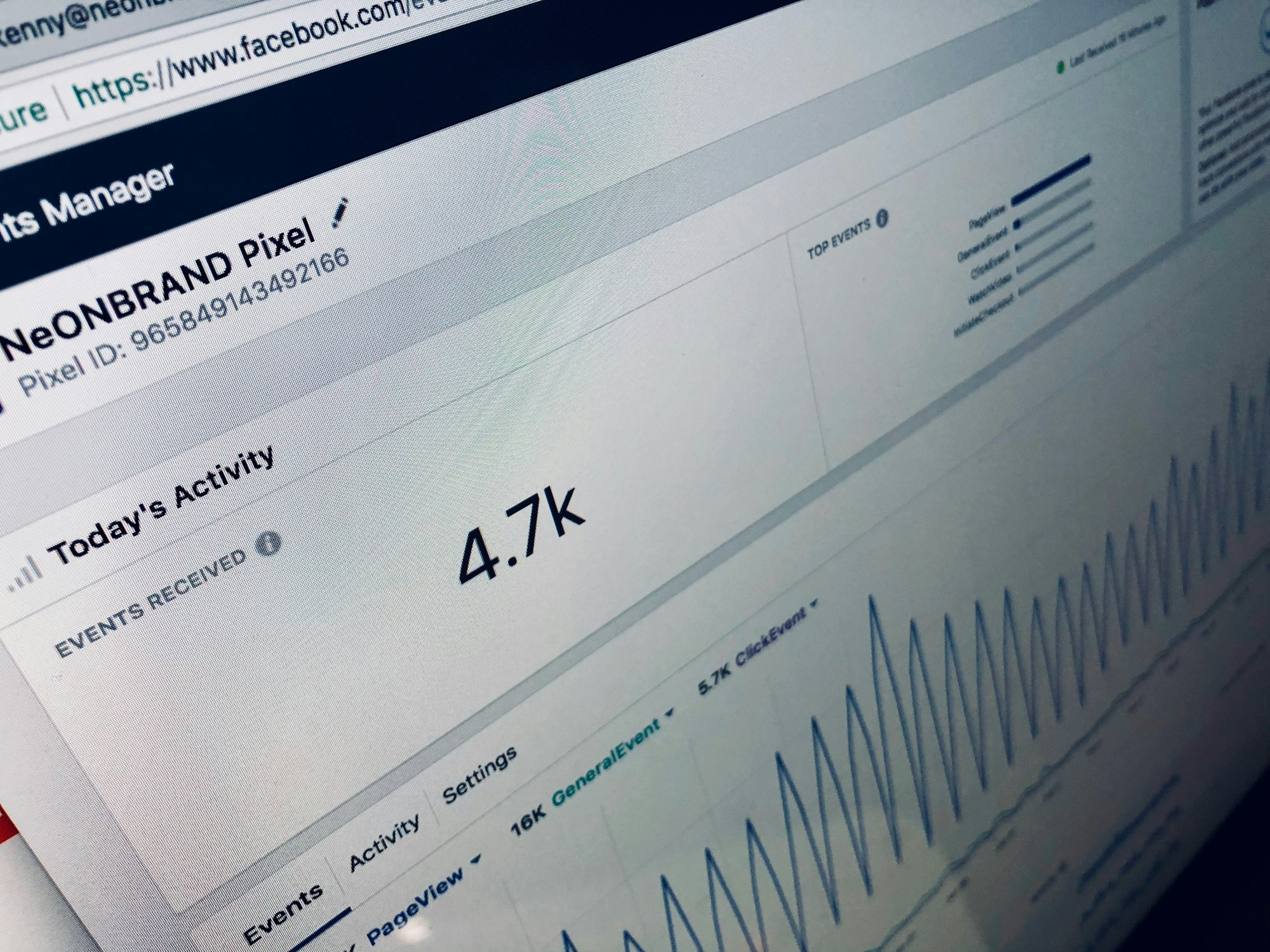
- Meta Pixel, Google Tag Manager, and LinkedIn Insight Tag for retargeting
The goal: data-driven decisions at every touchpoint.
Real-World Funnel Example
A legal services firm came to Proven ROI with a common complaint: “We’re running ads, but we’re not getting clients.”
We built a full-funnel strategy:
- TOFU: Paid Google Search ads targeting “injury lawyer near me”
- MOFU: Custom landing page offering a free case evaluation
- BOFU: Automated follow-up emails, retargeting ads, and a booking calendar
Results after 60 days:
- 41% increase in qualified leads
- Cost per acquisition dropped by 36%
- Booked consultations increased by 3x
The difference? A structured funnel that turned clicks into clients — predictably.
Common Funnel Mistakes (And How to Fix Them)
Mistake #1: Too Many Steps
Fix: Simplify. Reduce friction between click and conversion. One page, one goal.
Mistake #2: Not Following Up
Fix: Use automation. Most leads won’t convert on the first visit — follow-up is where ROI lives.
Mistake #3: Sending Traffic to a Homepage
Fix: Use dedicated, conversion-optimized landing pages for each campaign.
Mistake #4: No Clear Offer
Fix: Make your offer irresistible and relevant. Specificity sells.
Funnel Metrics That Matter
Tracking these KPIs will help you evaluate and optimize your funnel’s performance:
- Landing Page Conversion Rate
- Lead-to-Sale Conversion Rate
- Cost per Lead (CPL)
- Customer Acquisition Cost (CAC)
- Email Open and Click-Through Rates
- Return on Ad Spend (ROAS)
Focus on these, not vanity metrics. Revenue is the real KPI.
Final Thoughts: Funnels Build Revenue, Not Just Lists
The most successful businesses don’t just collect clicks — they convert.
They understand the journey their ideal customers take and build systems that turn traffic into transactions.
If your current marketing feels like a guessing game, it’s time for a proven framework.
At Proven ROI, we help businesses build high-performance funnels that turn ad spend into actual growth.
Don’t just drive traffic. Drive results.
Let’s build a funnel that works — from first click to closed client.