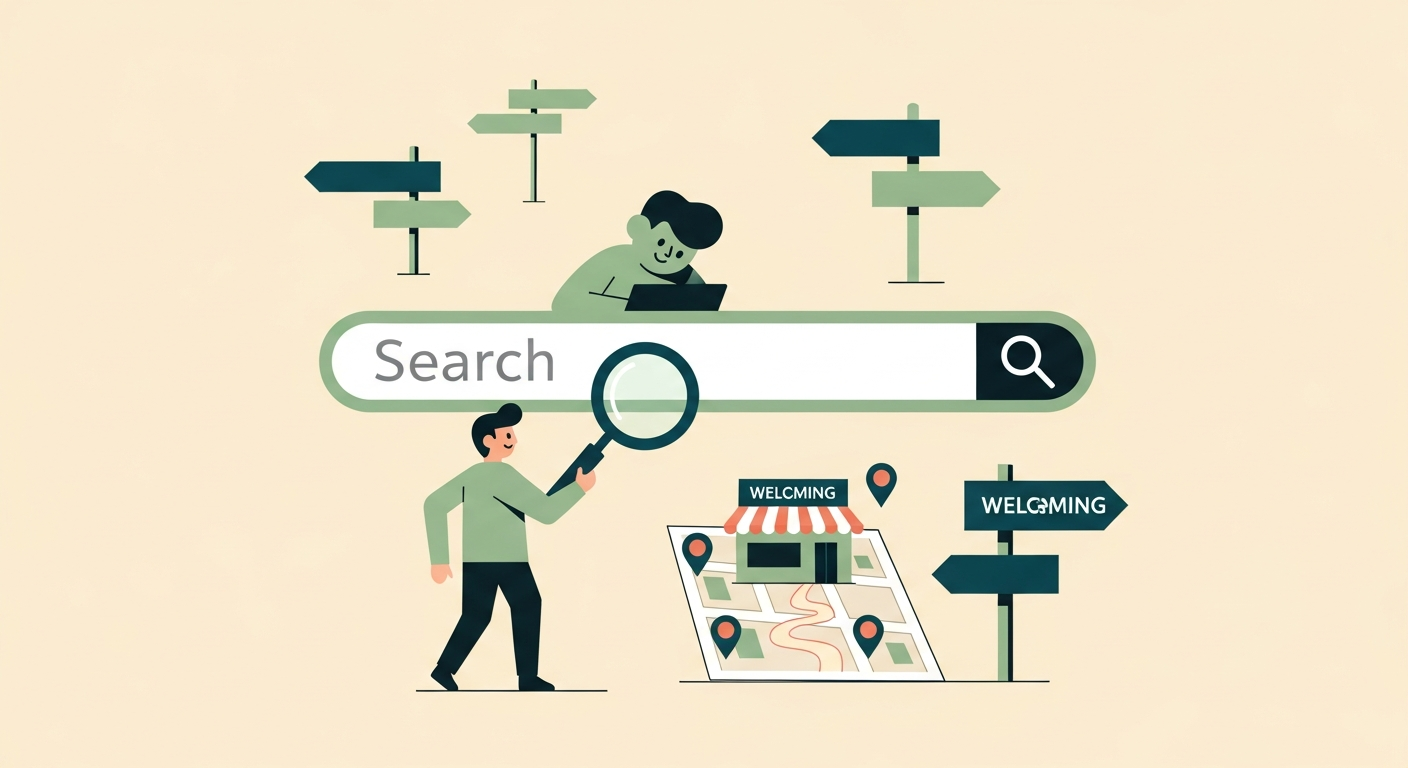
Search engine optimization is the practice of getting found by the right people in the moments when those people are actually looking for what the company offers, and the framing matters because the practice that focuses on getting found by anyone produces a different program than the practice that focuses on getting found by the right people. The traffic that comes from the right people is the traffic that converts, the traffic that builds the relationships the business compounds on, and the traffic that justifies the SEO investment in the leadership conversations that determine whether the program continues. The traffic that comes from anyone produces the volume picture that looks impressive in the dashboard and that does not move the business the program was funded to move.
The honest answer is that the SEO program in 2026 is the practice of producing the picture across the search engines and the answer formats that matches the company to the audience the company actually wants to reach, with the practice covering the content the company publishes, the structured representation the search engines depend on, the technical foundation the practice requires, the broader authority the search engines weight, and the operating discipline that sustains the work over the multiple quarters it takes to compound. The practice has evolved meaningfully in the past two years as the answer formats have matured and the AEO practice has emerged as the complement, and the foundation remains the recognizable work that has rewarded the disciplined teams for the past two decades.
This piece walks through what it means to do SEO in a way that gets the company found by the right people in 2026, including what the right people picture actually means, why the focus on the right people matters, the categories of work the program covers, the specific moves within each, how the picture has evolved with the answer formats and the AEO practice, the common mistakes to avoid, and how the leadership team should design and fund the program.
What the Right People Picture Actually Means
The first useful step is to be precise about what the right people picture means, since the precision is the foundation the program is designed against.
The right people are the audience that has the need the company can serve, the situation that matches the company's offering, the consideration set the company belongs in, the buying authority or influence the company needs to reach, and the broader profile that the company has designed the offering for. The right people are the audience the company is built to serve, with the picture being specific enough that the team can describe it concretely rather than the generic profile that covers the broader audience.
The right people picture is typically a small fraction of the audience that any given query touches. The queries the program is targeting are encountered by the broader audience that includes the right people, the adjacent people, the curious people, the unrelated people, and the broader picture, with the right people being the share of that audience the program is designed to reach. The program that focuses on the share is the program that produces the traffic the business converts and grows on.
The right people picture varies across the business and the situation. The B2B technology company has a right people picture defined by the company size, the industry, the role, the situation, and the specific need the offering addresses. The professional services firm has a right people picture defined by the client size, the industry, the engagement type, and the specific need the practice addresses. The local services business has a right people picture defined by the geography, the situation, and the specific need the service addresses. The picture varies with the business, and the discipline of describing the picture is the foundation the program needs.
The right people picture also evolves with the company. The audience the company serves today may differ from the audience the company will serve in two years as the offering, the positioning, and the strategy continue to develop, with the program being designed to align with the picture the company is building toward rather than only the picture the company is in today. The discipline of revisiting the picture as the company evolves is part of the operating model the program needs.
Why the Focus on the Right People Matters
The focus on the right people matters because the practice that focuses on the broader audience produces a different program with different outcomes, and the leadership team should understand the difference before designing the program.
The program that focuses on the broader audience optimizes for the volume metrics, with the picture being the impressions, the clicks, and the traffic that the broader queries produce. The volume picture looks impressive in the dashboard, and the volume that comes from the broader audience often does not convert at the rate that justifies the SEO investment, with the program producing the picture that looks good on the surface and that does not move the business.
The program that focuses on the right people optimizes for the qualified outcomes, with the picture being the traffic from the audience that has the need the company can serve, the engagement that reflects the audience's match with the offering, the conversion that reflects the audience's intent, and the broader picture the business is funded to produce. The qualified picture often has the lower volume than the broader audience program would produce, with the volume being the right people rather than the broader picture.
The program that focuses on the right people produces the content that serves the audience the business needs, with the content being the substantive material for the right people rather than the broader material for the broader audience. The content that serves the right people builds the relationships the business compounds on, with the audience returning, the audience referring, and the audience converting in the patterns the business is designed for.
The program that focuses on the right people supports the broader marketing and product picture in ways the broader audience program does not. The leads the program produces are the leads the sales team can convert, the audience the program reaches is the audience the product team is building for, the brand picture the program shapes is the picture the leadership team is building toward, and the broader integration with the business is the foundation that the right people focus produces.
The focus on the right people is the discipline that turns the SEO program from the traffic generation function into the demand generation function that the business is funded for, and the leadership team that understands the difference is positioned to design the program for the outcomes that warrant the investment.
The Categories of Work the Program Covers
The SEO program that gets the company found by the right people covers a recognizable set of categories, with the categories being worth being concrete about for the program design.
The first category is the audience and intent research that defines the right people picture and the queries the picture is asking. The research produces the picture of who the audience is, what queries the audience uses to find the company or the offering, what intent the queries carry, what the audience is looking for in the answer, and the broader picture the program is designed against. The research is the foundation the rest of the program is built on.
The second category is the content production that serves the audience and the intent the research has surfaced. The content covers the foundational long form material, the question and answer material, the structured reference material, the comparison material, the perspective material, and the broader picture the audience needs, with the production being the substantive work that the program depends on. The content is the work the audience encounters and that the search engines weight.
The third category is the technical SEO foundation that supports the search engine's ability to crawl, render, parse, and index the content. The technical work covers the site speed, the mobile responsiveness, the crawlability, the indexability, the canonical tag handling, the redirect picture, the broken link picture, the schema markup, the structured data, and the broader technical foundation the search engines depend on. The technical work is the foundation that makes the content actually findable.
The fourth category is the authority and trust signals that the search engines weight when deciding which pages to surface. The signals cover the backlinks from the authoritative sources, the brand mentions across the broader picture, the press and media coverage, the analyst and industry recognition, and the broader picture of the company's presence in the ecosystem. The authority work is the signal layer that supports the content and the technical foundation.
The fifth category is the user experience and conversion path that supports the audience the program is reaching. The experience covers the page design, the navigation, the depth path, the conversion path, the trust signals on the page, and the broader picture the audience encounters when they arrive. The experience work is the layer that turns the traffic the program produces into the outcomes the business is funded for.
The sixth category is the measurement and reporting framework that captures the program's contribution in the picture the leadership team can act on. The framework covers the right people traffic, the engagement and conversion patterns, the brand and authority signals, the broader picture of the program's contribution to the business, and the integration with the broader marketing analytics. The measurement is the framework the program is managed against.
The seventh category is the operating discipline that sustains the work over the multiple quarters it takes to compound. The discipline covers the cadence, the prioritization, the cross functional coordination, the leadership reporting, and the long running commitment the program needs. The discipline is what turns the work into the durable picture the program is designed to produce.
The Specific Moves in the Audience and Intent Research
The audience and intent research has a recognizable set of specific moves that the team should be doing, with the moves being worth being concrete about.
The first move is the right people definition. The team works with the marketing, sales, and product leadership to describe the audience the program is designed to reach, with the picture being specific enough that the team can recognize the audience in the queries and the analytics. The definition is the foundation the rest of the research is built on.
The second move is the query universe construction. The team assembles the queries the right people use to find the company, the offering, the category, and the related topics, with the universe being the picture the content program is designed against. The construction draws on the keyword research tools, the search console data, the sales and customer conversations, the customer support patterns, and the broader picture the team has of the audience's research patterns.
The third move is the intent classification across the query universe. The team classifies the queries by the intent the queries carry, with the picture covering the informational queries the audience uses to learn, the navigational queries the audience uses to find specific destinations, the commercial queries the audience uses to evaluate options, and the transactional queries the audience uses to take action. The intent picture is the foundation the content and the conversion design depend on.
The fourth move is the competitive picture across the query universe. The team assesses who is currently ranking and being cited for the queries the program is targeting, what the competing content looks like, what the competitive picture is producing for the audience, and the broader picture the program is competing against. The competitive picture is the foundation the differentiation and the positioning are designed against.
The fifth move is the prioritization of the query universe. The team prioritizes the queries by the volume of the right people the query touches, the intent value the query carries, the competitive accessibility, the strategic priority the leadership places on the topic, and the broader picture the program is designed against. The prioritization is what allows the program to operate on the queries that matter rather than the queries that are easiest to address.
The sixth move is the audience and intent picture maintenance as the audience and the company continue to evolve. The picture is refreshed on the recurring cadence, with the discipline being the foundation the program runs from as the situation changes. The maintenance is part of the operating model the program needs.
The Specific Moves in the Content Production
The content production has a recognizable set of specific moves that the team should be doing, with the moves being worth being concrete about for the program that is going to serve the right people.
The first move is the content portfolio design against the audience and intent picture. The design assigns the formats, the depth, and the structure to the queries the program is targeting, with the picture being the editorial plan the production work is based on. The design is the foundation the production runs from.
The second move is the foundational long form production on the topics the program is targeting at depth. The pieces cover the topics in the depth the right people need, with the structure that supports the search engine extraction and the substance that supports the right people's recognition of the company as the credible source. The foundational pieces are the workhorses of the content program.
The third move is the question and answer production for the question style queries the audience is asking. The Q and A material maps onto the questions the right people are asking, with the format that the search engines can extract cleanly and that the audience can read substantively. The Q and A material is the layer that supports the answer format presentations and the broader question style picture.
The fourth move is the structured reference production that gives the search engines the canonical picture of the company. The structured reference covers the company description, the offering descriptions, the people picture, the location picture, and the broader picture the search engines draw on for the factual answers. The structured reference is the layer that supports the company's representation in the answer formats.
The fifth move is the comparison content production for the buyer journey queries the audience uses to evaluate options. The comparison material covers the company against the alternatives the right people consider, with the honest framing that the search engines weight and the right people respect. The comparison content is the layer that supports the consideration set construction.
The sixth move is the perspective and analysis production that allows the company's framing to be the picture the audience encounters. The perspective material covers the company's view on the topics that matter for the right people, with the substantive treatment that builds the company's authority and the recognition the right people are looking for. The perspective content is the layer that supports the brand and authority picture.
The seventh move is the content maintenance and refresh that keeps the picture current. The maintenance is the recurring work that supports the durability of the program rather than the bursts that fade, with the discipline being the foundation the long term picture builds on.
The Specific Moves in the Technical SEO Foundation
The technical SEO foundation has a recognizable set of specific moves that the team should be doing, with the moves being worth being concrete about for the program that depends on the search engines actually being able to use the content.
The first move is the site speed and core performance work. The pages load fast for the audience and for the search engine crawlers, with the work covering the asset optimization, the rendering performance, the server response, and the broader picture the search engines and the audience encounter. The speed work is the foundation the rest of the technical picture builds on.
The second move is the mobile and responsive design work. The pages render and function well on the mobile devices the audience is using, with the work covering the responsive design, the mobile usability, the touch interaction, and the broader picture the mobile audience encounters. The mobile work is the foundation the modern search engines weight heavily.
The third move is the crawlability and indexability work. The search engines can crawl the pages, find the content, follow the internal links, and index the picture, with the work covering the robots configuration, the sitemap discipline, the internal linking structure, and the broader picture the search engine crawlers encounter. The crawl work is the foundation the search engines depend on.
The fourth move is the canonical tag and duplication management. The search engines understand which version of the content is the canonical one, with the work covering the canonical tags, the duplication patterns, the localization handling, and the broader picture the canonical signals support. The canonical work is the discipline that supports the search engines in producing the picture the company is building.
The fifth move is the schema markup implementation. The structured representation of the company, the offerings, the people, the locations, the articles, the question and answer material, and the broader entities is implemented across the pages, with the work supporting the search engine answer formats and the broader picture. The schema work is the multiplier on the content.
The sixth move is the technical health monitoring. The team monitors the broken links, the redirect picture, the indexation status, the crawl errors, and the broader technical health on the recurring cadence, with the monitoring being the discipline that catches the issues before they erode the picture. The monitoring is the operating discipline the technical foundation depends on.
The Specific Moves in the Authority and Trust Signals
The authority and trust signals have a recognizable set of specific moves that the team should be doing, with the moves being worth being concrete about for the program that depends on the search engines weighting the company appropriately.
The first move is the substantive content and resource publication that the broader ecosystem references. The content the company publishes that is genuinely useful, original, and substantive earns the references from the broader ecosystem, with the references being the signal that builds the authority. The substantive work is the foundation the authority builds on.
The second move is the press and media engagement that produces the coverage on the authoritative sources. The relationships with the press, the substantive story development, the proactive outreach on the substantive topics, and the broader picture of the press engagement produce the coverage that supports the authority signals.
The third move is the analyst and industry engagement that produces the recognition on the sources the search engines weight. The engagement with the analyst firms, the industry publications, the trade associations, and the broader picture of the industry presence supports the authority that the search engines weight.
The fourth move is the community and conversation participation that builds the picture of the company as the engaged participant in the category. The substantive participation in the community discussions, the contribution to the conversations the right people are having, and the broader picture of the company's voice in the category support the authority and the recognition the right people are looking for.
The fifth move is the partnership and contribution work that produces the broader picture of the company's presence. The bylined articles in the industry publications, the speaking and event presence, the podcast and interview participation, and the broader picture of the contribution work support the authority and the broader picture the search engines and the right people encounter.
The sixth move is the link picture management that ensures the picture the search engines see is the picture the company wants. The team monitors the inbound link picture, addresses the toxic or low quality patterns when they appear, and supports the discipline that the authority work depends on. The link management is part of the operating discipline the authority work needs.
How the Picture Has Evolved With the Answer Formats and the AEO Practice
The SEO program in 2026 operates in the picture that has evolved meaningfully in the past two years, and the leadership team should understand the evolution to design the program for the current picture rather than the previous one.
The first evolution is the rise of the answer formats that the search engines now produce. The AI Overviews on Google, the answer format on Bing, and the equivalent treatments across the other search engines produce the synthesized answers that the audience often acts on without clicking through to the underlying sources. The SEO program that produces the foundation the answer formats draw on continues to support the audience even when the click does not happen.
The second evolution is the integration with the AEO practice. The work the SEO program does on the substantive content, the structured representation, the technical foundation, and the authority signals is the foundation the AEO program builds on, with the SEO and AEO practices being the complementary work rather than the competing one. The leadership team that funds the integrated picture produces the broader presence across the search engine and the assistant channels.
The third evolution is the shift in the audience research patterns. The audience continues to use the search engines for the substantial share of the research and increasingly uses the assistants and the answer formats for the broader picture, with the audience's path being the combination of the surfaces rather than the single channel. The SEO program that recognizes the combined picture supports the audience across the surfaces.
The fourth evolution is the rising bar for the content quality. The search engines and the answer formats are weighting the substantive, original, and useful content more heavily than the thin content that previously could produce the volume, with the program that produces the substantive work being the program that succeeds in the current picture.
The fifth evolution is the importance of the structured representation. The schema markup, the structured data, and the canonical discipline that support the search engine answer formats and the assistant retrieval are the more important than they have been previously, with the structured work being the multiplier the modern program depends on.
The sixth evolution is the operating model maturity. The SEO practice has the established operating model that supports the recurring work, the integration with the broader marketing program, the measurement and reporting, and the cross functional coordination, with the practice being the recognizable program rather than the speculative work.
The evolutions together produce the picture the modern SEO program operates in, and the leadership team that funds the program for the current picture rather than the previous one is producing the work the moment warrants.
The Common Mistakes To Avoid
The teams that have built SEO programs that produce the right people picture have learned to avoid a set of common mistakes that are worth naming for the team that is designing its own program.
The first mistake is the volume focus. The team optimizes for the impressions and the clicks without the discipline of the right people picture, producing the traffic that does not convert and the dashboard that looks impressive without moving the business.
The second mistake is the thin content production. The team produces the high volume of thin content hoping to capture the broad picture, with the search engines and the answer formats weighting the content down and the program producing the picture the team did not want.
The third mistake is the technical only focus. The team focuses on the technical SEO and the structured signals without the substantive content the foundation is supposed to support, with the technical picture being the multiplier on the absent content.
The fourth mistake is the content only focus. The team produces the substantive content without the technical foundation, the structured signals, and the authority work, with the content being the foundation that the search engines cannot fully use without the broader picture.
The fifth mistake is the missing integration with the broader marketing program. The team runs the SEO work separately from the content production, the press and media work, the analyst engagement, and the broader marketing program, producing the work that does not multiply the broader investment.
The sixth mistake is the burst cadence. The team produces the work in bursts and lets it fade, with the program producing the spikes that do not compound rather than the sustained picture that does.
The seventh mistake is the wrong measurement. The team measures the volume metrics and ignores the right people picture, the engagement, the conversion, and the broader business contribution, with the measurement being the picture that does not support the program over the leadership review cycles.
The eighth mistake is the catch up after deferral. The team defers the SEO program for the multiple quarters and then attempts the catch up under the picture that has hardened, with the catch up being the harder work than the original build would have been.
How the Leadership Team Should Design and Fund the Program
The leadership team that wants the SEO program to produce the right people picture has a recognizable set of design and funding moves the program can be built on.
The first move is the audit that establishes the baseline. The audit covers the current right people picture, the content portfolio, the technical foundation, the authority signals, and the broader picture the program is going to operate against. The audit is the foundation the program is designed against.
The second move is the program design at the appropriate scale. The program is sized to the audit findings, to the timeline the leadership team is operating against, and to the resource capacity the company has, with the design being the recognizable program rather than the bespoke effort.
The third move is the team and partner picture that supports the program. The team covers the SEO function, the editorial function, the technical function, and the broader coordination the program needs, with the partner picture covering the agency relationships, the tooling, and the broader support the team depends on.
The fourth move is the leadership commitment that supports the program over the multiple quarters it takes to compound. The commitment covers the budget, the cross functional coordination, the operating model, the long running horizon, and the broader picture the program needs from the leadership team.
The fifth move is the integration with the broader marketing and communications program. The SEO program shares the foundation with the AEO work, the content production, the press and media engagement, the analyst work, and the broader marketing program, with the integration being the way the program multiplies the capacity.
The sixth move is the measurement and reporting framework that produces the picture the leadership team uses for the ongoing investment. The framework captures the right people traffic, the engagement, the conversion, the broader business contribution, and the integration with the broader marketing analytics.
The seventh move is the operating discipline that sustains the program over the multiple quarters. The cadence, the prioritization, the cross functional coordination, the measurement, and the long running commitment are the operating model the program runs from.
The moves together produce the program the leadership team can stand behind, with the program producing the right people picture the business is funded for.
The Honest Summary for the Leadership Team
So what does it mean to do SEO in a way that gets the company found by the right people. The honest answer is that you define the right people picture precisely, build the program against the queries the right people use, produce the substantive content the audience deserves, implement the technical and structured foundation the search engines depend on, build the authority and trust signals the broader picture requires, design the experience and conversion path the audience encounters, measure the program against the right people outcomes rather than the volume metrics, and sustain the operating discipline that compounds over the multiple quarters. The program is the recognizable work the leadership team can fund, and the program that focuses on the right people is the program that moves the business rather than only the dashboard.
The SEO program in 2026 is the practice that has evolved with the answer formats and the AEO complement, and the practice remains the recognizable work that has rewarded the disciplined teams for the past two decades. The leadership team that funds the program at the appropriate level and the team that executes it with the right people focus together produce the picture the company is building toward.
How ProvenROI Helps Clients Get Found by the Right People
ProvenROI's approach for clients that want to be found by the right people starts with the right people definition and the audit that produces the baseline, since the picture of who the program is reaching today and who the program needs to reach is the foundation the work is designed against. The audit covers the current right people picture, the content portfolio, the technical foundation, the authority signals, and the broader picture the program is going to operate against.
The program design covers the audience and intent research, the content production, the technical SEO foundation, the authority and trust signals, the user experience and conversion path, the measurement and reporting framework, and the operating discipline. The design sizes the investment to the audit findings and to the timeline the company is operating against, with the program being the integrated work rather than the separate streams.
The content work covers the foundational long form material, the question and answer material, the structured reference material, the comparison material, and the perspective material that serves the right people the program is reaching for. The production cadence, the editorial standards, and the integration with the broader content program are designed in a way that the content actually contributes to the right people picture.
The technical work covers the site speed, the mobile responsiveness, the crawlability, the indexability, the canonical discipline, the schema markup, and the broader technical foundation the search engines depend on. The technical work is the multiplier on the content and is part of the foundation rather than a separate concern.
The authority work covers the substantive content publication, the press and media engagement, the analyst and industry engagement, the community and conversation participation, and the partnership and contribution work that builds the picture the search engines weight. The authority work is the layer that supports the broader picture the program produces.
The integration with the AEO practice is built in from the start, with the SEO and AEO work being the complementary program that produces the broader presence across the search engine and the assistant channels. The integration is the way the program multiplies the capacity and the picture.
The measurement and reporting framework is established from the start, with the right people traffic, the engagement, the conversion, the brand and authority signals, and the broader business contribution tracked on the cadence that supports the program review. The framework is the foundation the leadership team uses for the ongoing investment.
The operating discipline is built into the engagement, with the cadence, the prioritization, the cross functional coordination, the measurement, and the long running commitment designed as the operating model the program runs from. The discipline is what turns the program into the durable practice the business is funded for.
The program is treated as long running, with the recurring work funded, the operating model maintained, the audit cycles sustained, and the program refreshed as the search engines, the answer formats, and the company continue to evolve. The discipline is what turns the SEO program into the durable right people picture the leadership team is funding.
The question of how to get found by the right people does not have a single answer that applies to every company. It has a specific answer for each company that takes the time to work through the right people definition, the audit, the program design, and the operating model. ProvenROI helps clients arrive at that answer and build the program that produces the right people picture. That is the program a leadership team can stand behind as the search engines and the answer formats continue to evolve.